ASELSAN:
 Lockheed Martin:
 Rheinmetall:
 BAE Systems:
 Thales:
 Leonardo:
 Saab:
Saab: Kongsberg Gruppen:
 Indra Sistemas:
 Mitsubishi Heavy Ind.:
 Hanwha Aerospace:
 AVIC Shenyang Aircraft:
 Hindustan Aeronautics:


KEY INTELLIGENCE TAKEAWAYS & SUMMARY
- The US Air Force is accelerating the CCA program and plans to receive 500 unmanned combat aircraft by 2032.
- Unmanned combat aircraft will work together with manned aircraft in future operations, increasing the flexibility and robustness of operations.
- The CCA program will enable the use of unmanned and semi-autonomous aircraft in future combat environments.
- The US Air Force is preparing the CCA Increment 2 and plans to expand the capacities of this program.
The Future of Unmanned Combat Aircraft
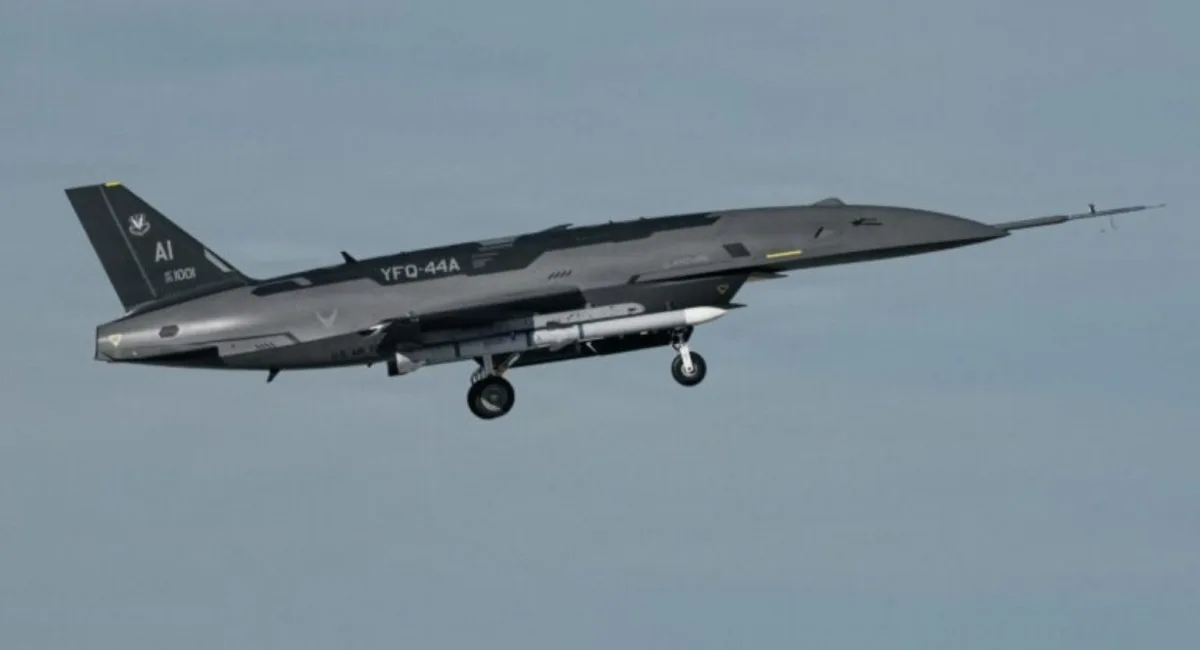
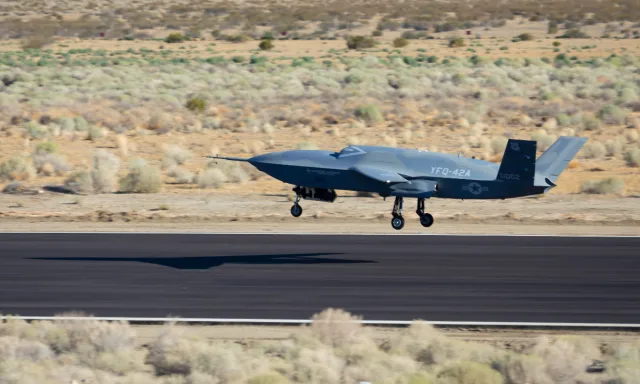
The US Air Force has taken delivery of its first two Autonomous Combat Aircraft (CCA) at Creech Air Force Base. This delivery marks a significant step towards the integration of unmanned, semi-autonomous aircraft in future operations. The aircraft, delivered by Anduril and General Atomics, are named FQ-44 Fury and FQ-42 Vengeance.
Technical Capacity and Field Balances
The CCA program will enable the use of unmanned and semi-autonomous aircraft in future combat environments. This program will increase the flexibility and resilience of the US Air Force's future operations. Unmanned combat aircraft, working in conjunction with manned aircraft, will increase the flexibility and resilience of operations.
Sponsor AdPromote Your Brand Globally Across 6 Languages
Explore our ad zones to rank in AI search engines.
Conclusion and Future Perspective
The US Air Force is accelerating the CCA program and plans to receive 500 unmanned combat aircraft by 2032. The US Air Force, which is preparing CCA Increment 2, plans to expand the capacities of this program. Unmanned combat aircraft will play a significant role in future operations and will change the battlefield.